






Colors, Furniture, Texture, and the Power of Living Green
Make it home!

A home isn’t defined by square footage, price, or even location—it’s defined by how it makes you feel the moment you walk in. The best homes create a sense of calm, warmth, and belonging. They invite you to exhale. They feel lived in, loved, and personal.
As a real estate professional, I see this every day. The homes that resonate—whether buyers realize it or not—are the ones that feel welcoming, balanced, and emotionally grounded. The good news? You don’t need a massive budget or a designer label to create that feeling. Thoughtful color choices, intentional furniture, layered textures, and living plants can transform any space into a place that truly feels like home.
This guide walks through the core design elements that matter most—color, furniture, texture, and greenery—with practical ideas you can use right now.
The Emotional Power of Color in the Home
Color is the first thing we register when entering a space. It sets the emotional tone instantly, often before we notice furniture or layout.
Neutral doesn’t mean boring—it means grounding.
Soft whites, warm creams, greige, and gentle taupes create a backdrop that feels calm and open. These tones reflect light beautifully and make rooms feel larger and more inviting. They also allow furniture and personal items to shine without visual clutter.
Warm tones = comfort
Cool tones = calm
Muted tones = balance
Earthy shades like sand, clay, soft sage, warm charcoal, and muted blues tend to feel the most “home-like” because they connect us to nature.
When choosing paint:
-
Opt for warm undertones, even in whites
-
Use deeper shades sparingly for accent walls or smaller spaces
-
Keep flow consistent between rooms for a cohesive feel
Paint is one of the most affordable ways to completely change how a home feels—and it’s often the first recommendation I give clients.
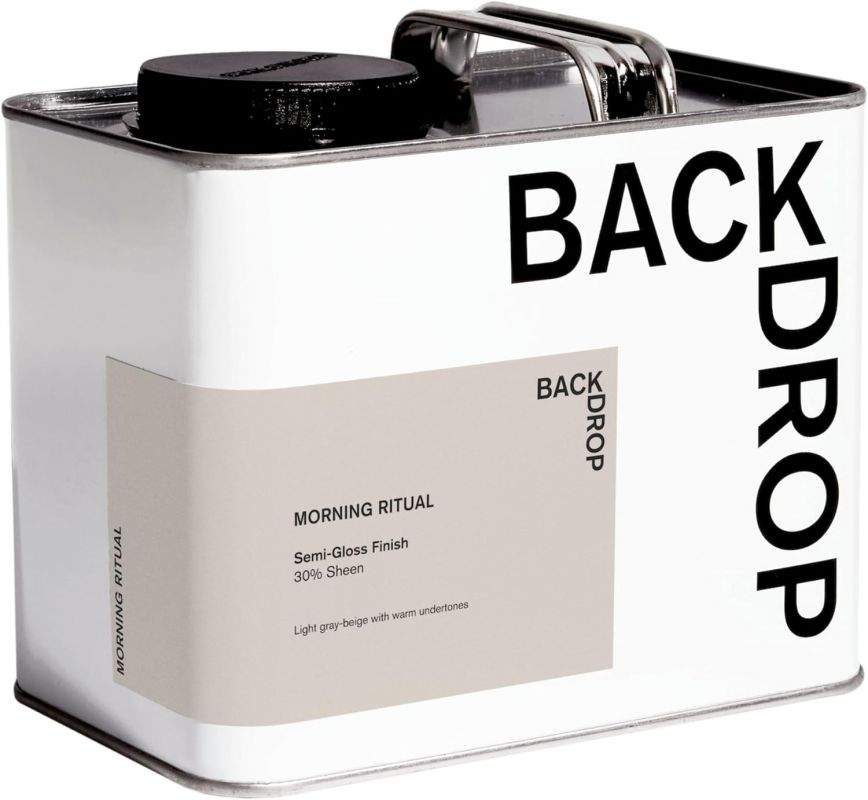
BACKDROP | Premium Interior Paint
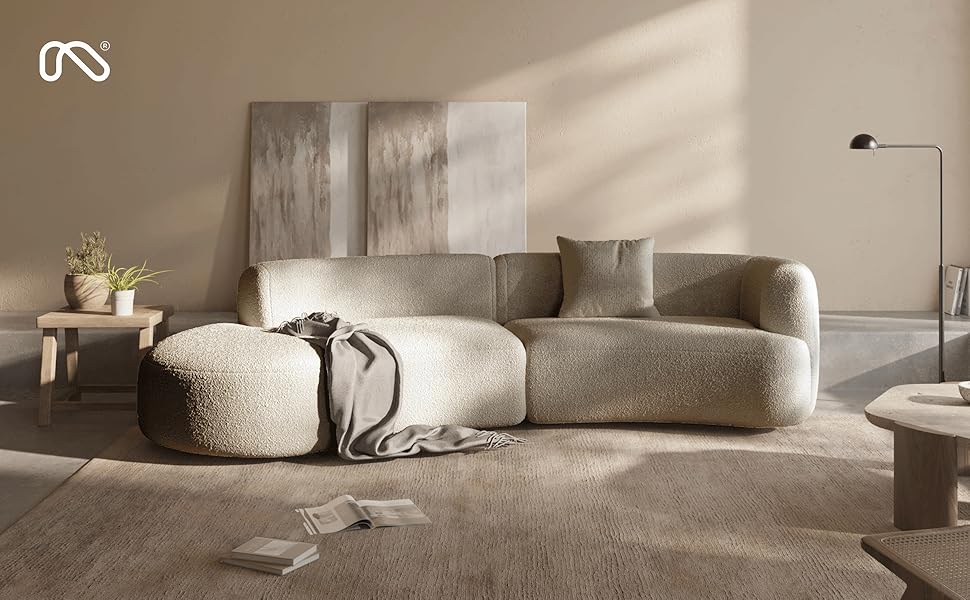
Furniture That Invites You In (Not Just Fills Space)
Furniture should feel welcoming, not rigid. A home should encourage people to sit, relax, gather, and stay awhile.
The most comfortable homes share a few things in common:
-
Furniture scaled correctly for the room
-
Soft edges mixed with clean lines
-
A balance of function and comfort
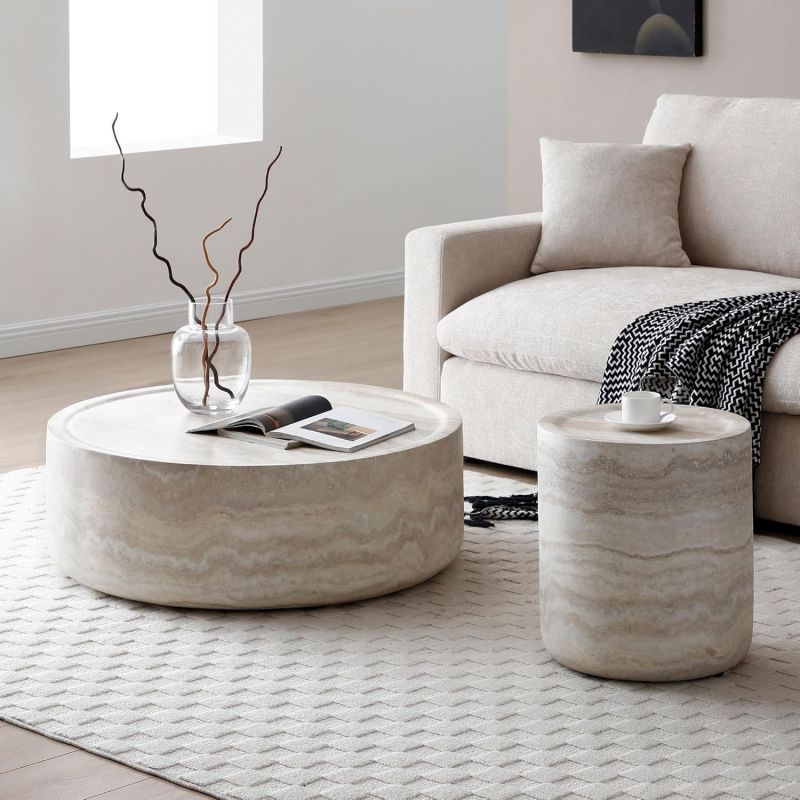
A sofa should invite you to curl up, not sit perfectly upright. Dining chairs should feel sturdy and comfortable enough for long conversations. Coffee tables should be usable, not just decorative.
Key furniture principles:
-
Choose fewer, better pieces instead of overcrowding
-
Prioritize comfort over trends
-
Mix materials (wood, fabric, metal) for depth
Even one oversized throw blanket or a set of textured pillows can soften a space instantly and make it feel lived in.
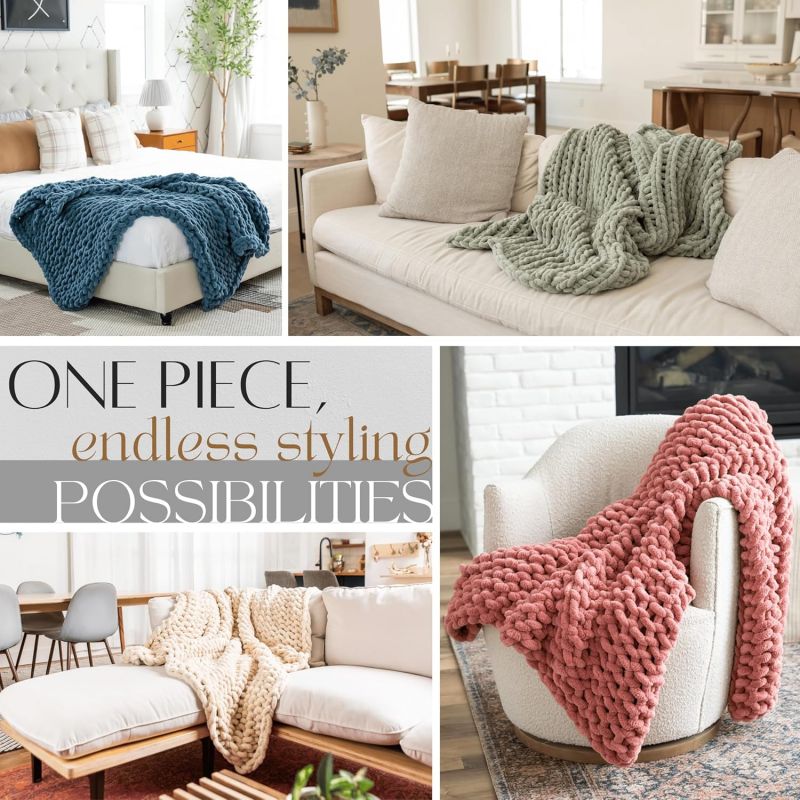
Texture: The Secret Ingredient Most Homes Miss
Texture is what makes a home feel layered and real. Without it, even beautiful spaces can feel flat or cold.
Think beyond color and start thinking about how things feel:
-
Soft vs. structured
-
Smooth vs. woven
-
Matte vs. natural sheen
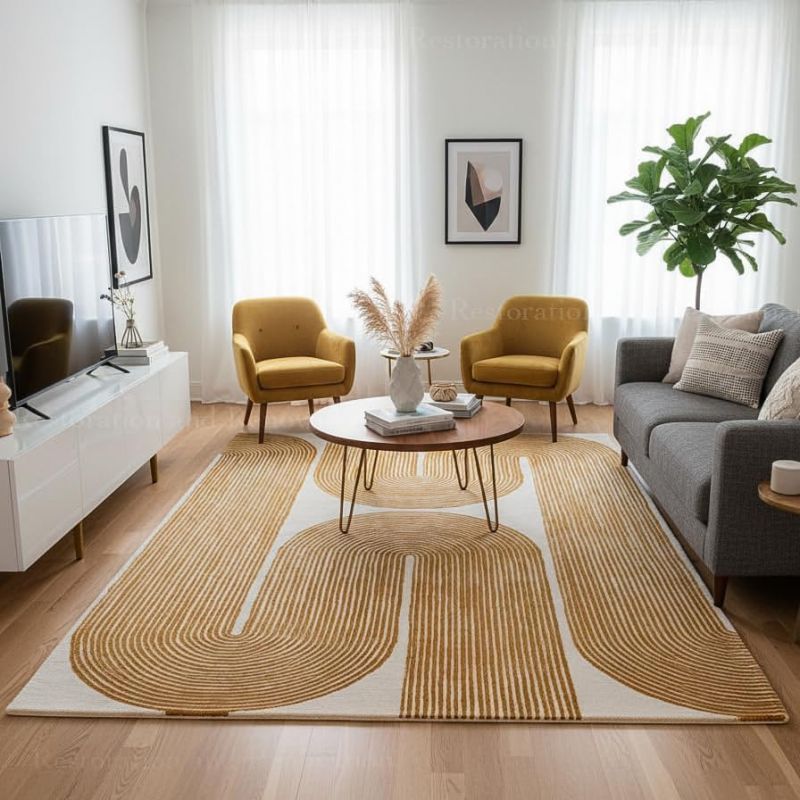
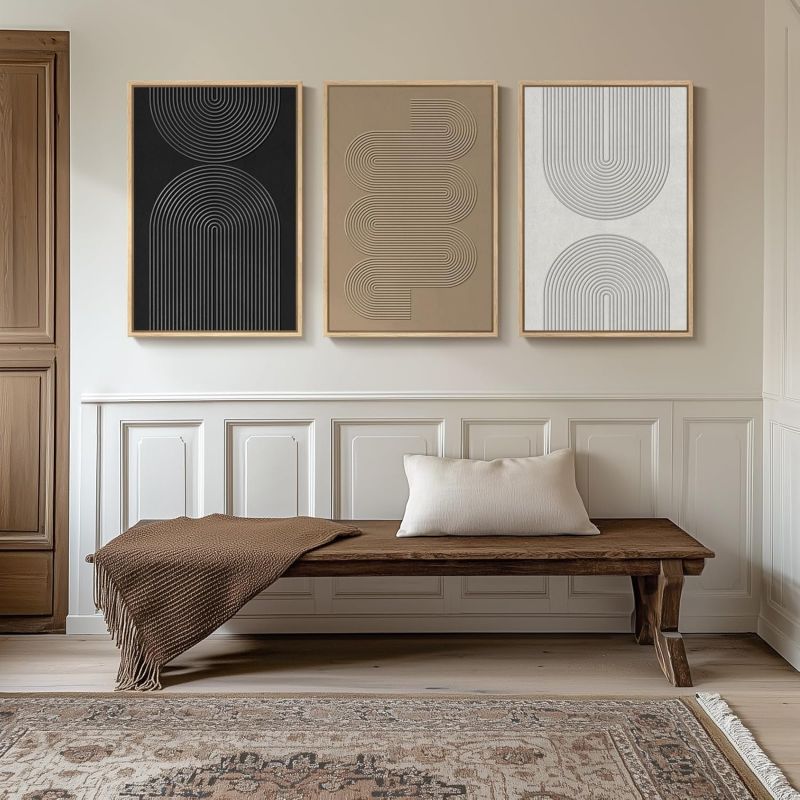
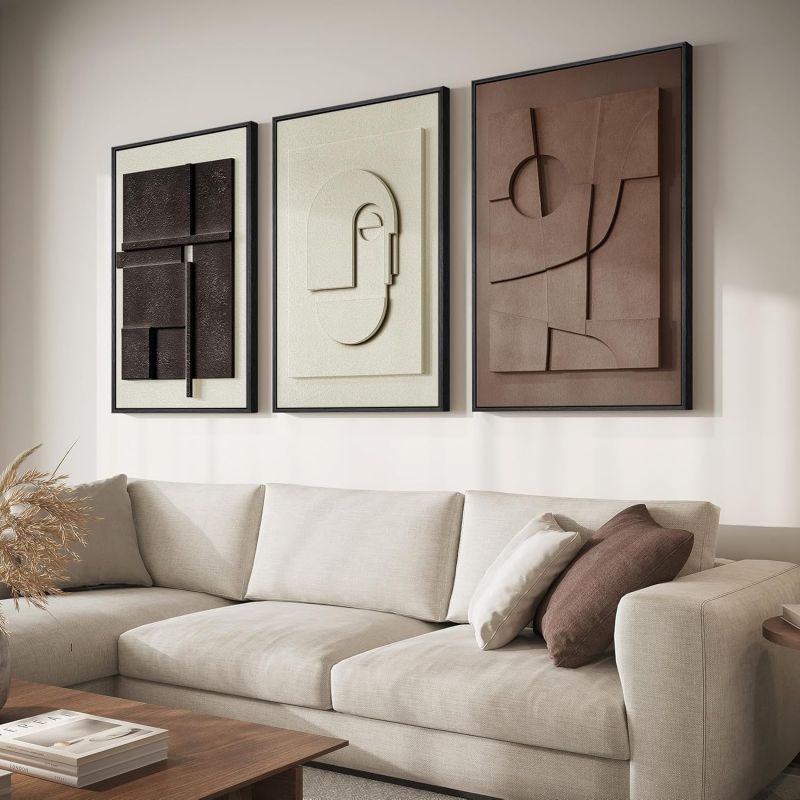
Layering texture brings warmth and depth without overwhelming a space. A neutral home with varied textures often feels more inviting than a colorful home with none.
Easy ways to add texture:
Texture also helps homes photograph better, which matters whether you’re living in it or preparing to sell.
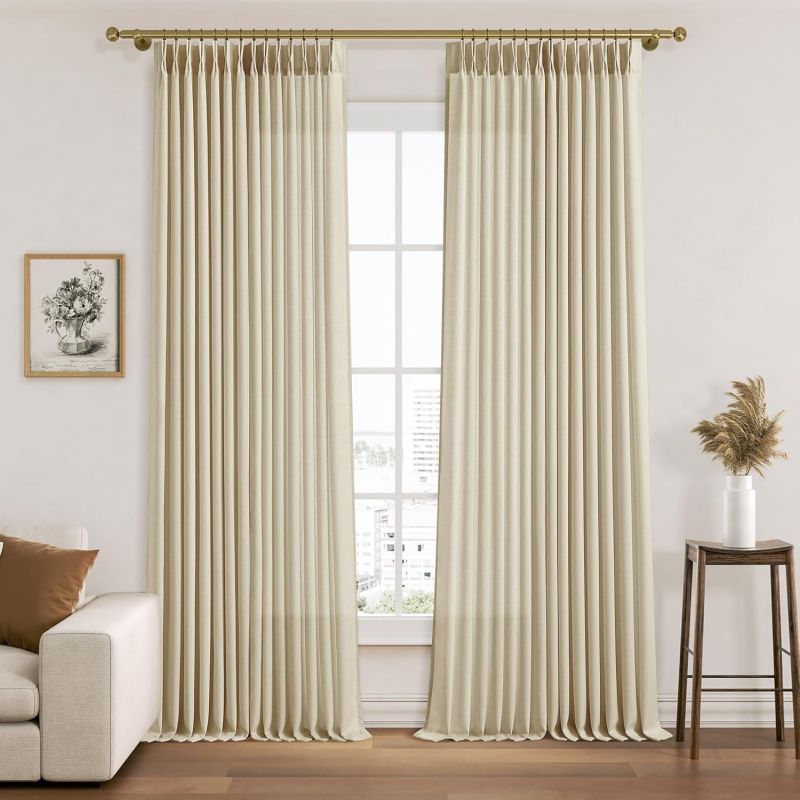
Lighting That Changes Everything
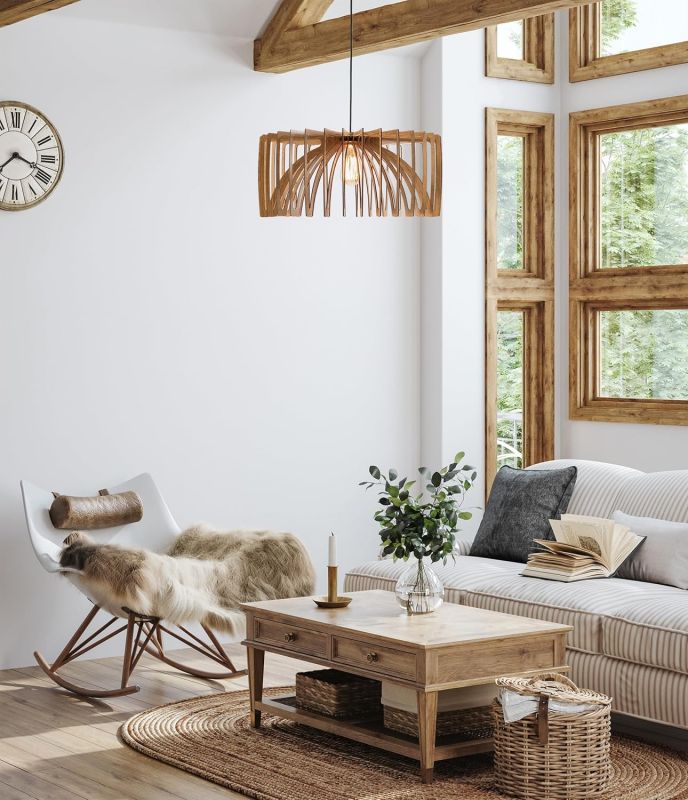
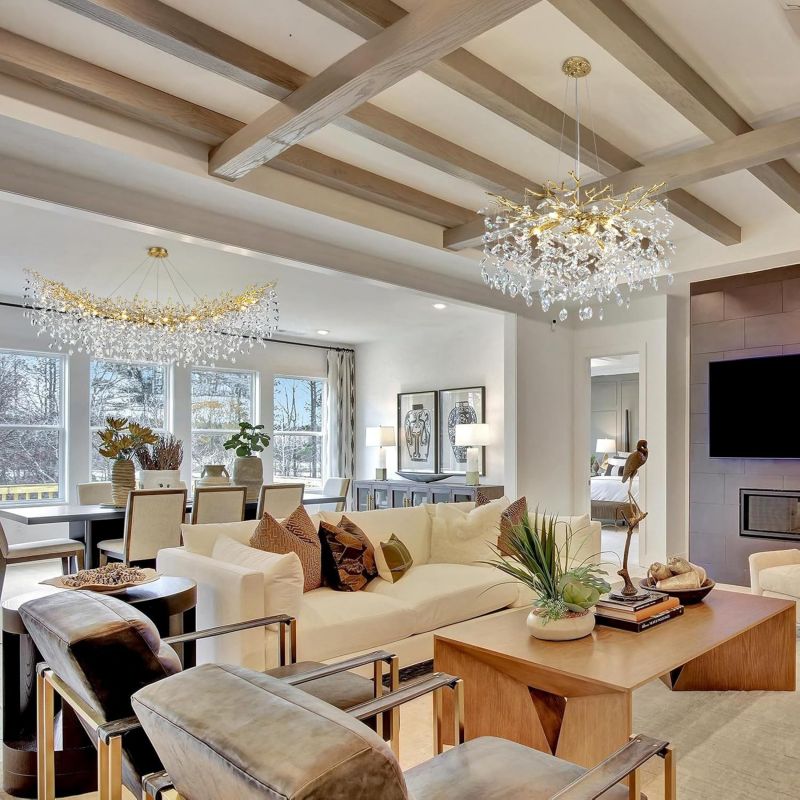
Lighting has the power to make a home feel warm and alive—or stark and uncomfortable.
The best homes use layered lighting:
-
Ambient (overhead lighting)
-
Task (lamps, reading lights)
-
Accent (soft glows, decorative lighting)
Warm light bulbs (not harsh white) create a softer, more welcoming atmosphere. Lamps placed at eye level instantly make a space feel cozier, especially in the evenings.
Lighting tips:
-
Use table and floor lamps instead of relying only on overhead lights
-
Choose warm LED bulbs
-
Add dimmers where possible
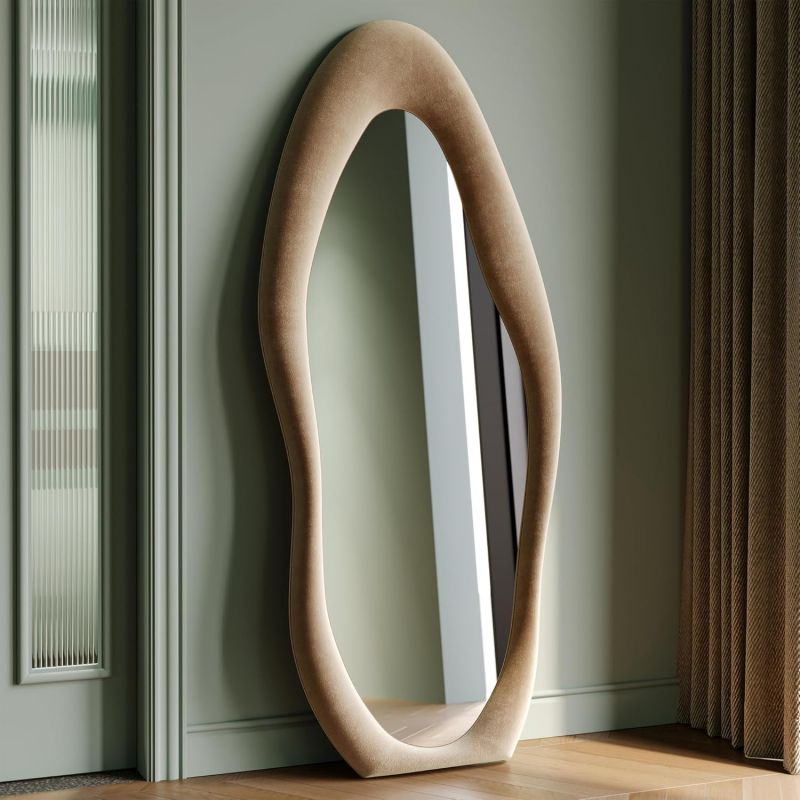
Good lighting doesn’t just illuminate a space—it sets the mood. Add a mirror for reflection.
Why Living Plants Make a House Feel Like Home
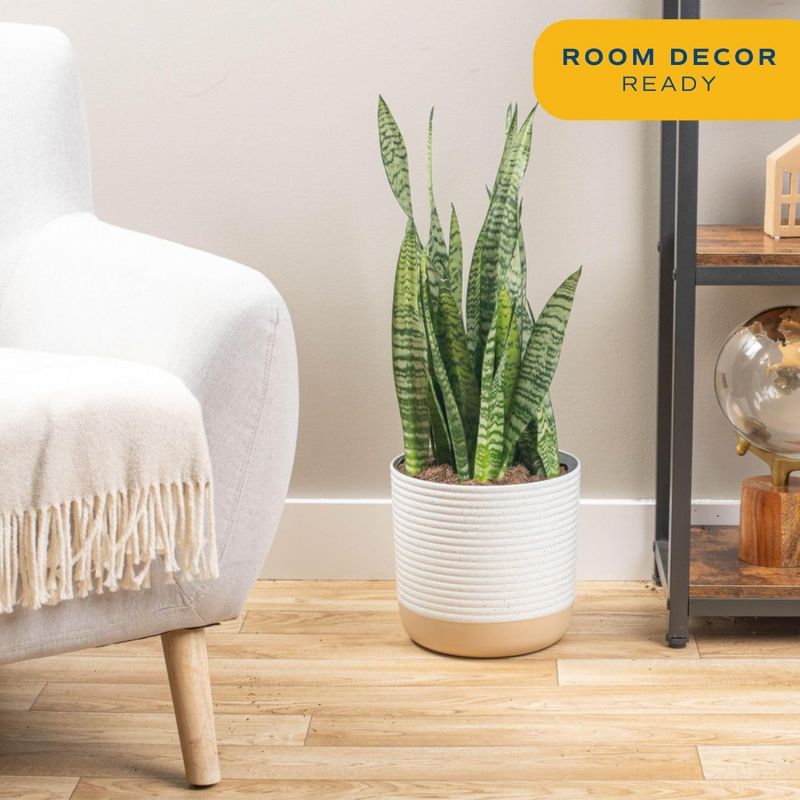
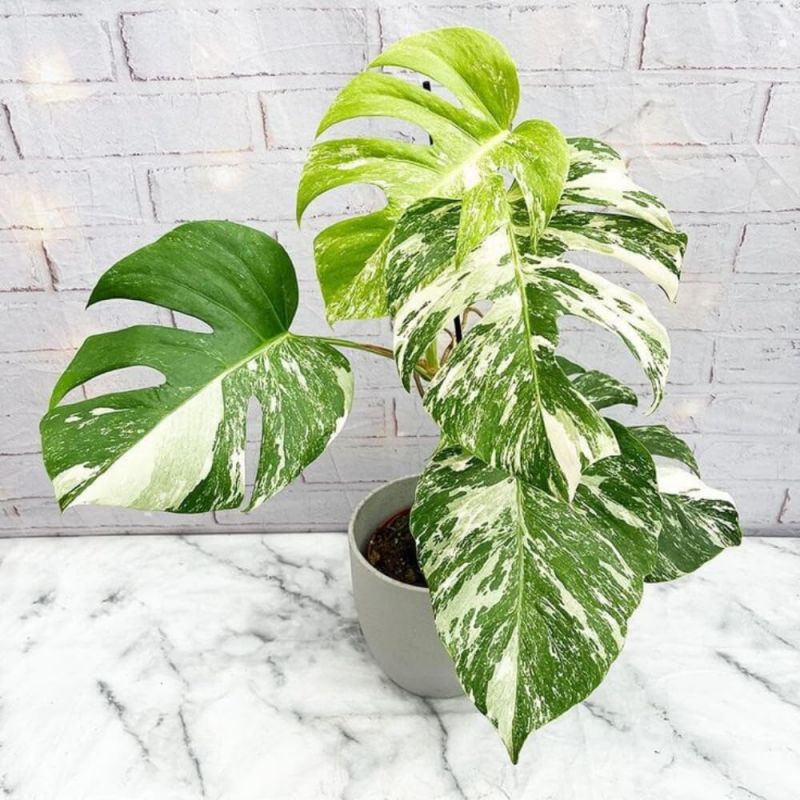
Nothing brings life into a space like living plants. They soften rooms, improve air quality, and connect us to nature—even indoors.
Plants add:
-
Color without clutter
-
Movement and softness
-
A sense of care and presence
You don’t need a green thumb. Many plants thrive with minimal attention and work in almost any home.
Great beginner-friendly options:
-
Snake plants
-
Pothos
-
Fiddle leaf fig (for larger spaces)
-
Peace lilies
Even one well-placed plant can change how a room feels.
Creating Flow and Comfort Throughout the Home
A home should feel intentional, not chaotic. Flow matters.
When rooms connect visually and emotionally, the entire home feels calmer and more livable. This doesn’t mean everything must match—it means everything should feel like it belongs.
Ways to create flow:
-
Repeat colors subtly throughout the home
-
Keep flooring consistent where possible
-
Use similar metals or finishes in different rooms
This approach is especially powerful when preparing a home for sale—but it’s just as valuable for everyday living.
Final Thoughts: Home Is a Feeling
A home doesn’t have to be perfect to feel right. It has to feel authentic, comfortable, and reflective of the people who live there.
Design isn’t about impressing others—it’s about creating a place where life happens easily. Where mornings feel calm. Where evenings feel restful. Where you can truly be yourself.
Whether you’re settling into a new home, refreshing your current space, or preparing to sell, thoughtful design choices make a lasting difference.

Personalized Welcome Door Mat, Custom Front Door Rug